
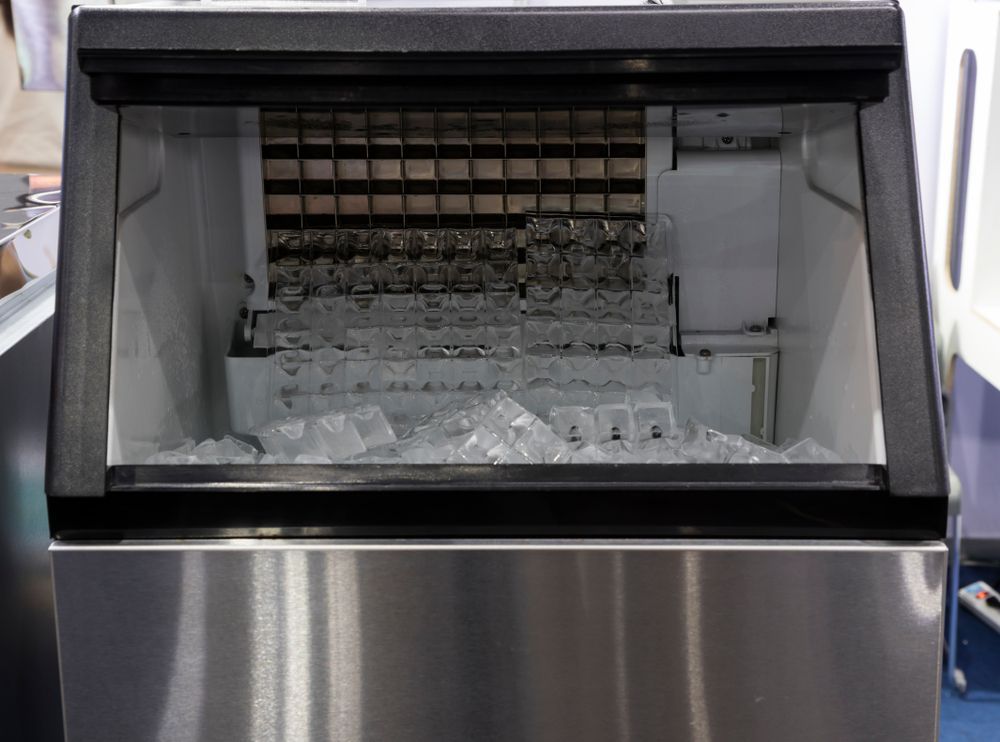
Ice Production That Works When You Need It
Refrigerator Ice Maker Repair Services in Tallahassee for non-working or slow ice production issues
Wilson's Appliance Repair handles refrigerator ice maker failures when dispensers stop working, production slows to a trickle, or cubes come out misshapen and clumped together. Tallahassee's mineral-heavy water supply accelerates calcium buildup in water inlet valves and filters, reducing flow pressure until ice makers can't fill properly. When mechanical arms jam or ejector blades freeze in place, your refrigerator runs constantly trying to complete cycles that never finish.
Ice maker repair involves diagnosing whether the problem originates in the water supply system, the mechanical components that form and eject cubes, or the control module that regulates production cycles. Water inlet valves clog with sediment, filters restrict flow when they exceed capacity, and ice dispensing systems fail when auger motors burn out or chute doors stick from frost accumulation. Each component affects how quickly your unit produces ice and whether cubes release cleanly into the bin.
Schedule a diagnostic evaluation to identify which ice maker components require repair or replacement.
What Happens When Ice Maker Function Restores
Ice maker repairs address the specific failure point preventing consistent production. Wilson's Appliance Repair tests water pressure at the inlet valve to verify adequate flow, inspects fill tubes for clogs that restrict water entry, and examines the ice mold heater that releases finished cubes during harvest cycles. If the control board sends signals but mechanical parts don't respond, motors or ejector arms need replacement to restore the physical movement that pushes ice into the storage bin.
Once the system operates correctly, you'll notice the bin fills at a steady rate without gaps in production, cubes form with uniform size and clarity instead of hollow or clouded pieces, and the dispenser delivers ice smoothly without jamming or grinding noises. Water no longer pools in the tray between cycles, and frost buildup that previously blocked the chute disappears when door seals and heaters maintain proper temperatures.
Commercial units in Tallahassee restaurants and offices require ice makers that produce continuously during service hours, which places higher stress on inlet valves and harvest mechanisms compared to residential use. Repairs may include replacing heavy-duty solenoid valves rated for commercial volume or upgrading control boards that manage faster cycle times without overheating.
Questions About Ice Maker Service
Ice maker problems show up differently depending on whether the issue originates in water delivery, mechanical operation, or temperature control systems.
What causes ice makers to produce smaller cubes over time?
Mineral deposits from Tallahassee's water supply restrict flow through fill tubes and inlet screens, reducing the water volume that enters the mold during each cycle, which results in cubes that don't fill the entire tray depth.
How does a failing water inlet valve affect ice production?
The valve controls water flow into the ice maker, and when internal diaphragms wear out or solenoids weaken, insufficient water enters the mold, causing incomplete cubes or stopping production entirely until the valve is replaced.
Why does ice clump together in the storage bin?
When the freezer temperature fluctuates or the bin isn't properly insulated, partial melting occurs between cubes, which then refreeze into solid masses that jam dispensers and prevent new ice from dropping into the bin.
When should I replace the entire ice maker instead of repairing components?
If the ice mold has cracked, the control module has corroded beyond function, or multiple mechanical parts have failed simultaneously, replacement becomes more cost-effective than repairing individual components that may fail again shortly.
What maintenance prevents ice maker failures?
Replacing water filters every six months, flushing the water line annually to remove sediment buildup, and keeping the freezer temperature between zero and five degrees ensures consistent ice production and extends the lifespan of inlet valves and mechanical components.
Wilson's Appliance Repair provides ice maker diagnostics that identify whether repairs involve simple filter changes or component replacements requiring refrigerant line work. Call to arrange an appliance assessment that determines the most effective repair approach for your specific ice production problem.